

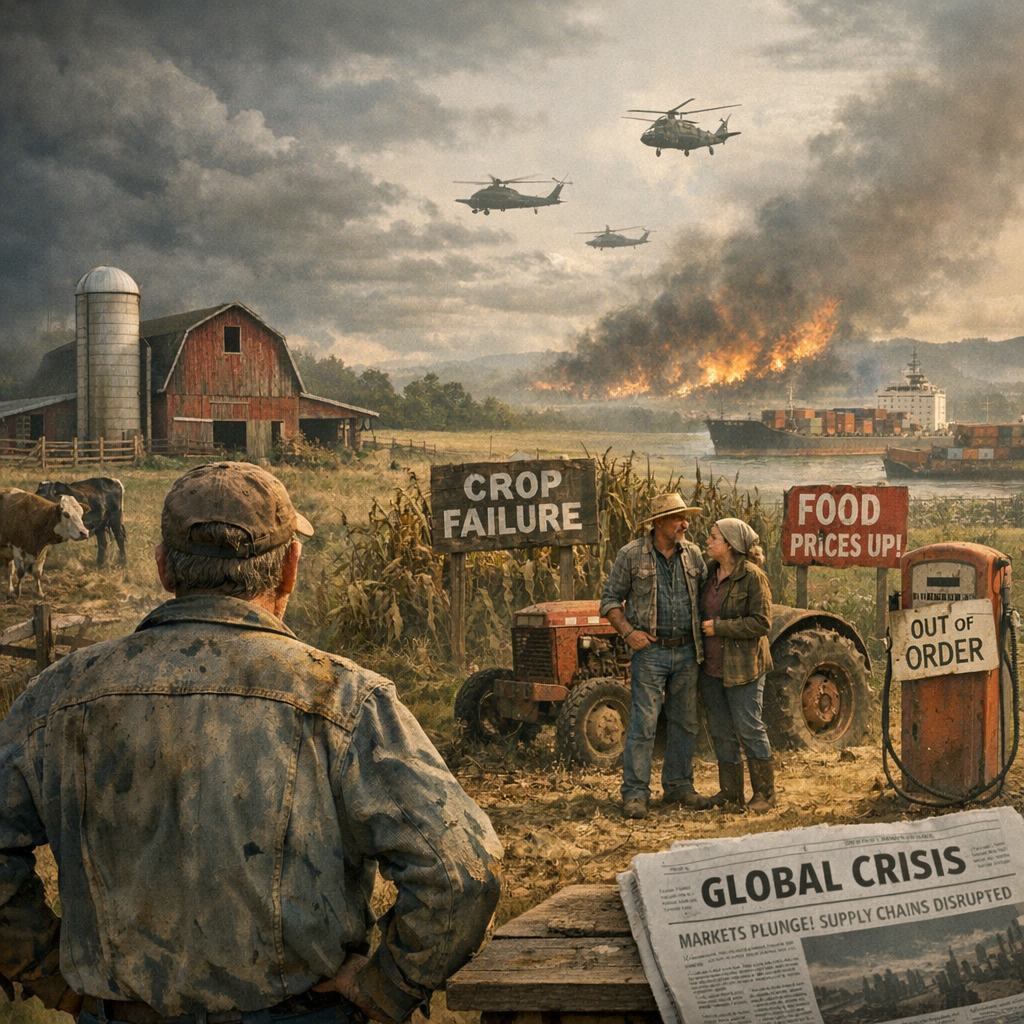
In our interconnected world, events unfolding thousands of miles away can have profound effects on rural communities like Yampa, Colorado. Understanding these global influences is crucial for building resilience and ensuring sustainable development.
Global Conflicts and Supply Chain Disruptions
International conflicts can disrupt global supply chains, leading to shortages and increased costs for essential goods. For instance, conflicts in key regions have caused significant disruptions in the supply of fertilizers and fuels, which are vital for agricultural activities. These disruptions can result in higher operational costs for farmers and potential delays in planting and harvesting seasons.
Climate Change and Environmental Challenges
Climate change poses a significant threat to rural areas worldwide. Increased frequency of extreme weather events, such as droughts and floods, can devastate crops and livestock, leading to food insecurity and economic instability. Rural communities often face heightened vulnerability due to their reliance on agriculture and limited resources to adapt to changing conditions.
Economic Globalization and Market Volatility
The integration of global markets means that economic fluctuations in one part of the world can impact commodity prices and demand elsewhere. For rural economies dependent on exporting agricultural products, this can lead to unpredictable income streams and challenges in financial planning.
Building Resilience in Rural Communities
To mitigate these global challenges, rural communities can adopt several strategies:
- Diversifying Economies: Reducing dependence on a single industry by promoting local businesses and alternative income sources.
- Investing in Sustainable Practices: Implementing agricultural methods that are resilient to climate change, such as crop diversification and soil conservation techniques.
- Strengthening Local Supply Chains: Encouraging local production and consumption to reduce reliance on global supply chains.
- Enhancing Community Preparedness: Developing emergency response plans and infrastructure to handle potential disruptions.
By understanding the ripple effects of global events and proactively addressing vulnerabilities, rural communities like Yampa can navigate the complexities of our globalized world and build a more secure and prosperous future.