

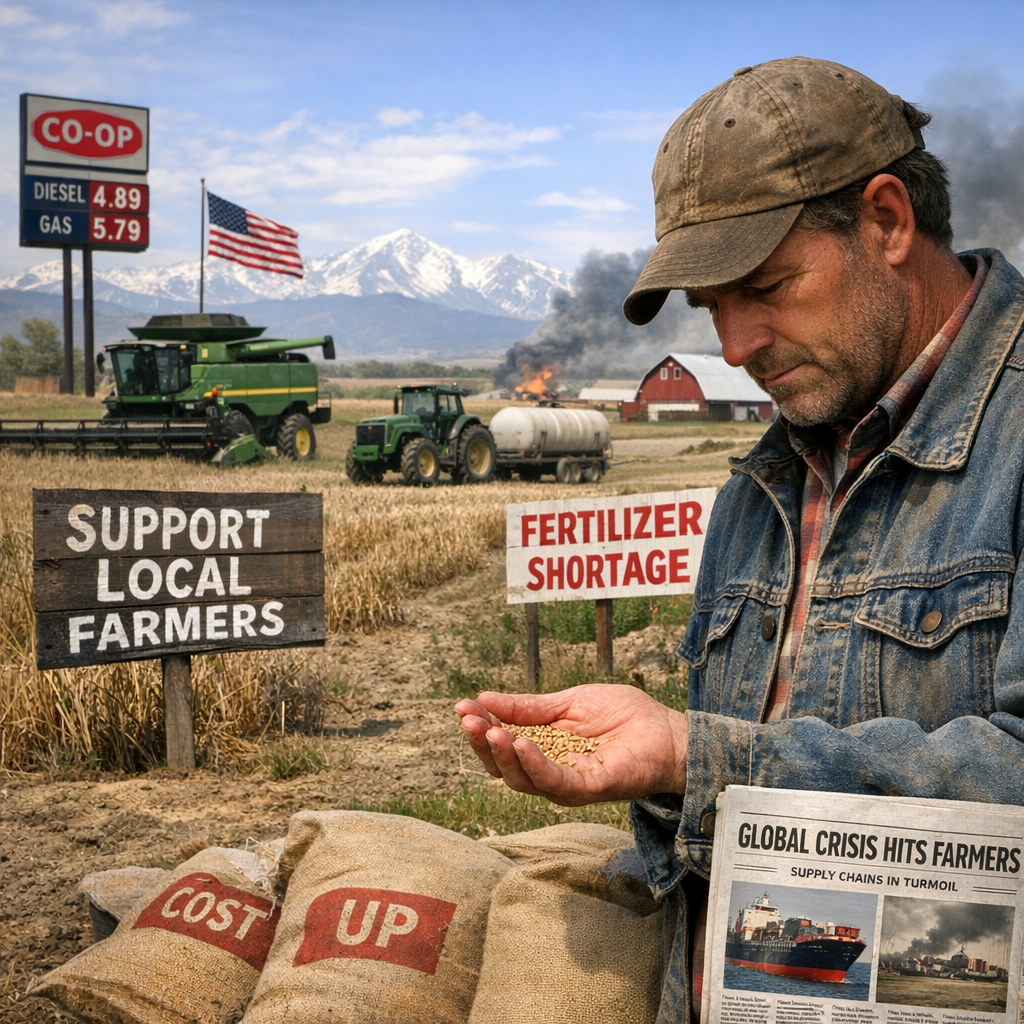
In our interconnected world, events unfolding thousands of miles away can have profound effects on rural communities like Yampa, Colorado. Understanding these global influences is crucial for building resilience and ensuring the sustainability of our local way of life.
Global Conflicts and Supply Chain Disruptions
International conflicts can disrupt supply chains, leading to shortages and increased costs for essential goods. For instance, conflicts in key regions have caused significant disruptions in the availability of fertilizers and fuels, directly impacting small-scale farmers worldwide. These disruptions expose the vulnerabilities in global food systems and highlight the need for local adaptive practices. Learn more
Climate Change and Environmental Challenges
Climate change poses a significant threat to rural areas, bringing about extreme weather events such as droughts, floods, and heatwaves. These events can devastate agriculture, the backbone of many rural economies. In developing countries, agriculture absorbs up to 80% of all direct impacts from droughts, placing livelihoods at risk. Read more
Economic Shifts and Rural Livelihoods
Global economic trends, including trade policies and market fluctuations, can influence local economies. The transformation of local, community-based food systems into export-oriented, industrial supply chains driven by corporate agribusiness has undermined ecological sustainability and community resilience. More information
Building Local Resilience
To mitigate these global influences, rural communities can focus on building resilience through various strategies:
- Diversifying Economies: Encouraging local entrepreneurship and supporting small businesses can reduce dependence on external markets.
- Sustainable Practices: Implementing sustainable agricultural methods can enhance food security and environmental health.
- Community Engagement: Strengthening community networks fosters collective action and resource sharing during crises.
By understanding the interconnectedness of global events and local realities, communities like Yampa can better prepare for and adapt to the challenges posed by an ever-changing world.